Wednesday, April 6, 2016

Tuesday, March 22, 2016
Social Media Monitoring Part 2: Fitbit Blaze Comparison
Now that the Fitbit Blaze has launched and is in people's hands, we can analyze the response to this fitness watch, especially in comparison to Fitbit's other product lines and to its competitors.
Google Trends provides a good visualization of online interest in the Fitbit Blaze vs. a few of their other product lines. We'll be comparing the Blaze with:
 Looking at worldwide web searches with the the past 90 days, we can pull out a few key points moving along the timeline:
Google Shopping trends bear out a similar pattern to the web searches, showing the marketing funnel of an audience researching in consideration of purchase. Zooming on the past 30 days, we can see again the increase for the new products. The Surge appears plateaued and the Charge HR jumps around a bit; although the Charge HR is still decreased, it is still the leader overall.
As an indication of actual sales, the Blaze is #1 on Amazon in both the Smartwatch and Heart Monitor categories (as well as a few others spots due to color options) as of March 19. For Fitness Trackers, the Alta has the #1 & 4 spot and the Blaze has the #5 spot, with the Flex and the Charge (non-HR version) also making the top 6.
 As of March 20, the Blaze had average of 4.2 stars based on 938 submissions, as well as 104 answered questions. The Alta had a 3.9 star average from 374 submissions, with 43 answered questions. So people seem to be asking questions, buying these new products, and providing feedback to others. While the ratings could still be higher (and may go through there in the future), an average rating of 4 stars typically doesn't scare off too many people.
 While there are consistently a few blog posts per day about Fitbit products, the numbers aren't incredible. The Charge HR and the Blaze have been getting the higher numbers, whereas the amounts for the Surge and Alta are lower for the past month.
In doing Part 1 of the Social Media Monitoring project, I noted that much of the SM activity about the Fitbit Blaze was occurring on Twitter instead of blogs. This seems to be occurring for Fitbit's other product lines as well (see sources in Social Mention screenshots below). In looking at the blog traffic more qualitatively, much of the content is reposting of news outlet's stories and reviews instead of original writing about user experiences.
 On the flip slip, much of the Twitter activity are tweets for the purpose of entering a contest, tweets reselling the product, or retweeting a news link instead of actual insights from a user.
Although I did look at the Fitbit products through Social Mention at a few different times, the "last week" results jumped all over the place and I unable to create any meaningful analysis about trends or relationships between lines. So for I ran the reporting for the last month which provides a bigger picture view and better sense of where things stand.

"But wait," you say, "the Surge has the highest Passion at 49% - their users must really be talking about it." And yet, when you look at the top users, they are "Original Offers" and "eBayShopperNews" and the second top Hashtag is "sweepstakes". The repeating mentions by the same users are just people selling the Surge or trying to win one, not a groundswell of love. The Charge HR at 38% has a similar profile for Passion. The Passion for the Blaze and Alta are much lower, probably because they are new products and haven't hit the reseller and grey market yet.
Regarding Sentiment, the Surge and the Blaze seem to be at the top for their ratios of 16:1 and 15:1 respectively. The Alta appears to only have a 3:1 ratio. However, six reposts of Engadget's review, "With Alta, Fitbit finally made a stylish fitness band" were marked as negative for tone (maybe the use of "finally"?), whereas I would classify them as positive based on "stylish" and the overall review - which would bring its Sentiment ratio to 26:1, the highest overall.
For the most part, all of the Fitbit products fall within a similar sphere of ratings and type of chatter. It's not extremely high in comparison to more well-established, globally known brands, but it's certainly respectable.
Based on the analytics, of all the product lines, I think the Surge is the most in danger with the introduction of the Blaze. The Blaze has several nice new features like the color screen, switchable bands, and limited FitStar programming that might appeal to the Surge performance user profile, if they are willing to sacrifice the in-watch GPS tracking of the Surge (and carry their phone instead to track location during distance training). If the Blaze eclipses the Surge (which it appears to be on track to do), I wouldn't be surprised if the Surge gets revamped in the future, either under that name or as a new product line, as their new top-tier product.
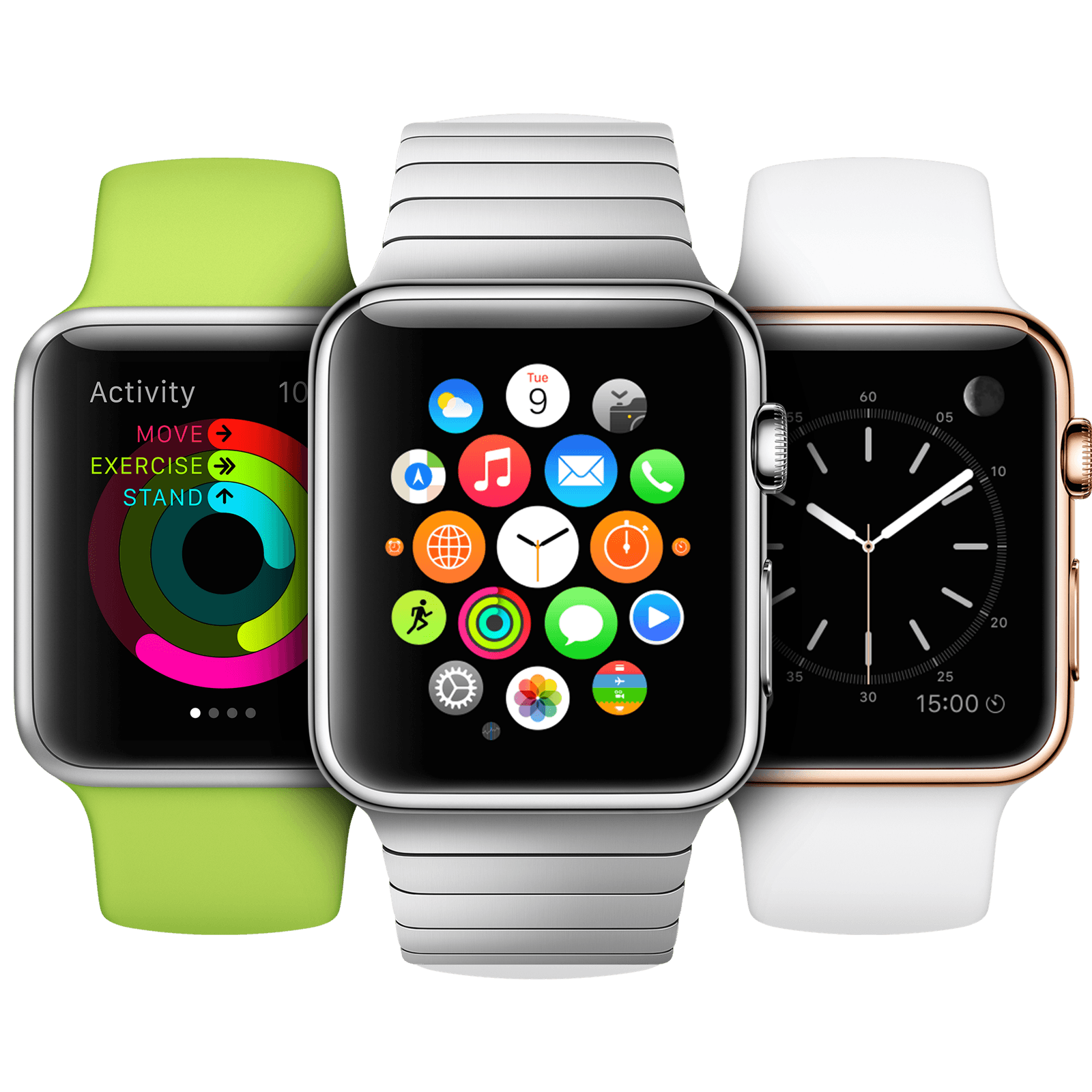
Ever since the Fitbit Blaze's launch was announced, it has been compared to the Apple Watch. This is despite it being a bit of an apples to oranges comparison. The Fitbit Blaze is truly a fitness tracker in a watch format, with some notification alerts from a phone. Apple Watch is a full-featured smartwatch with downloadable apps related to multiple areas, including its Health app (which is seen as having room for improvement). Currently it seems to appeal to a very tech savvy, early adopter, Apple loyalist market, typically males who are in their 20's to 30's. So essentially the question for potential consumers is, "do you primarily want a device for tracking fitness or do you want an extension of your iPhone and apps on your wrist?"
Fitbit does acknowledge the concern of having broad-based consumer electronic companies, like Apple, in competition due to their larger financial resources, brand recognition, broader manufacturing and marketing resources, and the ability to discount pricing to increase market share (2015 Annual Report). According to a Wired article, on March 21, a price drop of $50 to $299 for the Apple Watch was announced, along with two new bands. There have also been rumors about an Apple Watch 2 being released in 2016, although we'll have to wait and see if any enhanced fitness features are included. So Fitbit is probably justified in being concerned.
 Interestingly enough, another smartwatch with fitness tracking just dropped their prices by $50 in March. Pebble is a company that was funded through Kickstarter by raising $10 million in 2012, so it comes from the groundswell. Pebble offers a lot of customization options through their open API (for integrated apps and watchface), various straps (with "smartstraps" in development), and third-party skins that cover the wide exterior bezel of some models. Plus it works with both Apple and Android phones. Their Pebble Time series consists of several different design styles, now ranging in price from $150 to $250. Two of the styles, Pebble Time and Pebble Time Steel, are water-resistant for up to 30m underwater, so can remain on while swimming (which has been a feature request for Fitbits). I had never heard of Pebble until I started researching this project, and I have to say I'm a bit intrigued by it and would be curious to see it in action. It seems to have a bit more of a geek/hacker audience, but it could have potential (or potentially get bought out by a bigger player) due to its innovations.
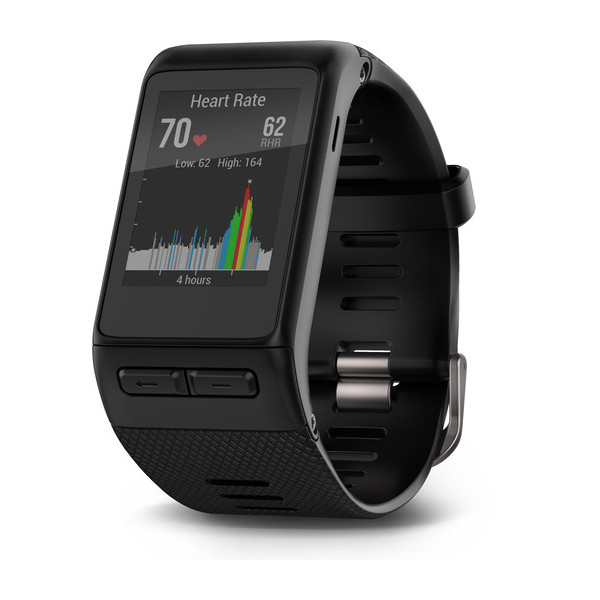
Looking more at pure fitness tracker watches, Garmin currently offers the Vivosmart HR (which seems like it's equivalent to the Charge HR with the $150 price point and general functionality). In April 2016, Garmin will be introducing the Vivoactive HR ($250) which seems more aligned with the Surge and also has offers custom apps and watch faces. Garmin currently offers just the Vivoactive as a GPS smartwatch without the heart monitoring function for $220. The Vivoactive line is marketed for some niche fitness markets, like swimmers with its 5m underwater rating and golfers with its golf course database. Garmin is already well-known for its GPS functionality in navigation devices.
So let's compare the Fitbit Blaze versus these competitors using analytics to get a sense of where they stand in relation to each other.
Using Google Trends, the Apple Watch clearly eclipses the other four search terms (Fitbit Blaze, Pebble Time, Garmin Vivosmart, Garmin Vivoactive). The Apple Watch also appears to be affected be seasonality with large holiday-time buying spike in December, followed by the subsequent decline. Only the upticks of the Blaze's launch and Superbowl are clearly visible.
So let's take the Apple Watch out of the equation, so that we can better see how the other players are doing. The two Garmin products and the Pebble Time also had increases for the holidays, followed by subsequent decline to a plateau. In general, the interest in the Vivosmart (in yellow) appears to be higher than the Vivoactive (in green) or Pebble Time. The Pebble Time did have a little jump with announcement of the price drop on March 1. However, overall the Blaze is trending the highest of the group and interest is growing.
If this was a classroom, Apple Watch would also break the curve in terms of blog posts over the last 3 months. Looking the numbers, the number of posts for Apple Watch is almost 30 times higher than the Fitbit Blaze and the Pebble Time. Interestingly enough, the Fitbit Blaze and Pebble Time are pretty close by this metric, while the Garmin products are fairly low with less than 2 posts/day on average.
Dropping Apple out of the chart again and zooming in to just explore data for the last month allows us to see some other trend details. With the past 30 days, Pebble Time actually has the best average posts per day, with a large uptick driven by the price decrease announcement on March 1 with continued higher post amounts afterwards. Although the overall posts per day are down for the Fitbit Blaze (as the launch bump is not included), overall it's trending a bit upwards. Both Garmin products continue to be in the 1-2 post/day range on average. I would imagine that the Vivoactive may experience a bit of an uptick in April with the launch of the HR version, although it still doesn't appear to have the brand recognition in the fitness field like Fitbit does (or even as Garmin has for navigation tools).
Let's move on to Social Mention, although I think that the data and the software itself may be a bit buggy. Looking at data for the past month, I was surprised at see the mentions for Apple Watch were so low for the period (only 63), particularly for Twitter posts (only 29).

When I ran a search on Twitter for "Apple Watch" since 2/20/2016, the page fills and continues to expand with more and more posts - definitely greater than 29. I've experienced issues on Social Mention that even when you're searching for "All", Twitter sometimes is not included and I have to keep trying the search again and again to get a result. Also on 3/21, I searched for Apple Watch on just the microblogs for last month and anytime and got 46 results for both; when I click through to the last page of the results, it was time stamped as 7 minutes ago. I had similar results for Fitbit Blaze listing 83 Twitter posts, no matter the time selected, with oldest post being from 4 days ago.
Also the Pebble's 63:0 Sentiment is a bit mis-categorized. Would you count 47 posts of this to be positive?
 No - not you either? So that cuts Pebble's sentiment down to 16:0, which is a bit more inline with the other stats.
So I think we should look at this data with a grain of salt (and if you were social media monitoring for a living, invest in a paid product). These product lines also experience resellers and contests that influence the results. Again the Blaze is lower in Passion (8%) than its competitors, most likely because it's not being resold as much yet. Assuming that the data is consistently accurate or inaccurate (for those other than Apple Watch), we can see a similar popularity ranking of the Fitbit Blaze (40%), Pebble Time, and two Garmin products based on the Strength criteria.
But what do people really think about these products? Let's circle back to Amazon's ratings.

The Fitbit Blaze seems to match up pretty well against its competitors. Based on ratings, Apple Watch has the highest average at 4.6, followed by Pebble Time Steel with 4.3, then the Fitbit Blaze at 4.2. Yet at the 1-star level, Fitbit Blaze only has 5%, same as the Pebble Time Steel and less than others. For a product that has only been on the market for less than a month, it already has 939 ratings submitted - in third place after the Apple Watch with 1,262 and the Garmin Vivoactive at 1092, both of which have been on the market for around a year. Although people can certainly purchase through other vendors, the number of ratings is most likely a good indication of sales and bodes well for the Fitbit Blaze.

 Although Fitbit is in the enviable position of being practically synonymous with fitness trackers, they do have a lot of competition trying to outrace them in the field. Fitbit needs to continue to build on what's working well for them and embrace the areas for improvement, listening to the groundswell to help guide them on their journey.
Fitbit Blaze vs. Other Fitbit Products
With the launch of any new product line, there is always the question about how it will affect interest in and sales of existing items.Google Trends provides a good visualization of online interest in the Fitbit Blaze vs. a few of their other product lines. We'll be comparing the Blaze with:
- Fitbit Charge HR - the model below the Blaze; geared to "active" lifestyle users (like the Blaze).
- Fitbit Surge - the model above the Blaze, top of the line and targeted to "performance" users.
- Fitbit Alta - launched soon after the Blaze, a more fashionable model for "everyday" users.

 |
| Worldwide Google web searches in past 90 days (as of 3/20/16) |
- In December 2015 with the holiday shopping season, web searches spiked for the two existing products, the Charge HR and the Surge. According to Fitbit's 2015 Annual Report (p. 16), their business is affected by seasonality with 38% of 2015 revenue generated in Q4, so the decline afterward is not unexpected.
- The announcement of the Blaze in early January and the Alta in early February caused some of the highest levels of search activity for those those lines since people were interested in learning more about these new products.
- The Superbowl ad for the Blaze appears have been effective at raising product awareness in February. The Surge also experienced slight upticks with its launch and Superbowl ad, probably because people were interested in exploring the differences between the two models.
- As the Blaze was released in early March and the Alta in mid-March, both products experienced an increase in web searches.
- Searches for the existing products (Charge HR and Surge) continued to decrease. However, these products experienced a similar decrease in early 2015 due to the time of the year (see chart below). So time will tell whether they will rebound in May-July when people are more active in the summer, or whether the new products have stolen some of their market share.
 |
| Worldwide Google web searches in 2015 |
 |
| Worldwide Google Shopping trends in past 30 days (as of 3/20/16) |


 |
| Meltwater IceRocket Blog trends for past month (as of 3/20) |
 On the flip slip, much of the Twitter activity are tweets for the purpose of entering a contest, tweets reselling the product, or retweeting a news link instead of actual insights from a user.
Although I did look at the Fitbit products through Social Mention at a few different times, the "last week" results jumped all over the place and I unable to create any meaningful analysis about trends or relationships between lines. So for I ran the reporting for the last month which provides a bigger picture view and better sense of where things stand.

 | |
| Social Mention in Last Month (as of 3/20) |
Just as a reminder, here are the definitions of the Social Mention criteria:
- Strength: the likelihood that your brand is being discussed via social media.
- Sentiment: ratio of positive to negative mentions.
- Passion: likelihood that the people talking about our brand will do so repeatedly.
- Reach: the range of influence, or the number of unique authors mentioning your brand divided by the total number of mentions
"But wait," you say, "the Surge has the highest Passion at 49% - their users must really be talking about it." And yet, when you look at the top users, they are "Original Offers" and "eBayShopperNews" and the second top Hashtag is "sweepstakes". The repeating mentions by the same users are just people selling the Surge or trying to win one, not a groundswell of love. The Charge HR at 38% has a similar profile for Passion. The Passion for the Blaze and Alta are much lower, probably because they are new products and haven't hit the reseller and grey market yet.
Regarding Sentiment, the Surge and the Blaze seem to be at the top for their ratios of 16:1 and 15:1 respectively. The Alta appears to only have a 3:1 ratio. However, six reposts of Engadget's review, "With Alta, Fitbit finally made a stylish fitness band" were marked as negative for tone (maybe the use of "finally"?), whereas I would classify them as positive based on "stylish" and the overall review - which would bring its Sentiment ratio to 26:1, the highest overall.
For the most part, all of the Fitbit products fall within a similar sphere of ratings and type of chatter. It's not extremely high in comparison to more well-established, globally known brands, but it's certainly respectable.
Based on the analytics, of all the product lines, I think the Surge is the most in danger with the introduction of the Blaze. The Blaze has several nice new features like the color screen, switchable bands, and limited FitStar programming that might appeal to the Surge performance user profile, if they are willing to sacrifice the in-watch GPS tracking of the Surge (and carry their phone instead to track location during distance training). If the Blaze eclipses the Surge (which it appears to be on track to do), I wouldn't be surprised if the Surge gets revamped in the future, either under that name or as a new product line, as their new top-tier product.
Fitbit Blaze vs. Competitors
 |
| Apple Watch |
Fitbit does acknowledge the concern of having broad-based consumer electronic companies, like Apple, in competition due to their larger financial resources, brand recognition, broader manufacturing and marketing resources, and the ability to discount pricing to increase market share (2015 Annual Report). According to a Wired article, on March 21, a price drop of $50 to $299 for the Apple Watch was announced, along with two new bands. There have also been rumors about an Apple Watch 2 being released in 2016, although we'll have to wait and see if any enhanced fitness features are included. So Fitbit is probably justified in being concerned.

Looking more at pure fitness tracker watches, Garmin currently offers the Vivosmart HR (which seems like it's equivalent to the Charge HR with the $150 price point and general functionality). In April 2016, Garmin will be introducing the Vivoactive HR ($250) which seems more aligned with the Surge and also has offers custom apps and watch faces. Garmin currently offers just the Vivoactive as a GPS smartwatch without the heart monitoring function for $220. The Vivoactive line is marketed for some niche fitness markets, like swimmers with its 5m underwater rating and golfers with its golf course database. Garmin is already well-known for its GPS functionality in navigation devices.
 |
| Garmin Vivosmart HR |
 |
| Garmin Vivoactive |
So let's compare the Fitbit Blaze versus these competitors using analytics to get a sense of where they stand in relation to each other.
Using Google Trends, the Apple Watch clearly eclipses the other four search terms (Fitbit Blaze, Pebble Time, Garmin Vivosmart, Garmin Vivoactive). The Apple Watch also appears to be affected be seasonality with large holiday-time buying spike in December, followed by the subsequent decline. Only the upticks of the Blaze's launch and Superbowl are clearly visible.
 |
| Worldwide Google web searches in past 90 days (as of 3/21/16) |
 |
| Worldwide Google web searches in past 90 days (as of 3/21/16) |
 |
| Meltwater IceRocket Blog trends for past 3 months (as of 3/21) |
 |
| Meltwater IceRocket Blog trends for past month (as of 3/21) |

 |
| Social Mention in Last Month (as of 3/20) |
Also the Pebble's 63:0 Sentiment is a bit mis-categorized. Would you count 47 posts of this to be positive?

So I think we should look at this data with a grain of salt (and if you were social media monitoring for a living, invest in a paid product). These product lines also experience resellers and contests that influence the results. Again the Blaze is lower in Passion (8%) than its competitors, most likely because it's not being resold as much yet. Assuming that the data is consistently accurate or inaccurate (for those other than Apple Watch), we can see a similar popularity ranking of the Fitbit Blaze (40%), Pebble Time, and two Garmin products based on the Strength criteria.
But what do people really think about these products? Let's circle back to Amazon's ratings.
The Fitbit Blaze seems to match up pretty well against its competitors. Based on ratings, Apple Watch has the highest average at 4.6, followed by Pebble Time Steel with 4.3, then the Fitbit Blaze at 4.2. Yet at the 1-star level, Fitbit Blaze only has 5%, same as the Pebble Time Steel and less than others. For a product that has only been on the market for less than a month, it already has 939 ratings submitted - in third place after the Apple Watch with 1,262 and the Garmin Vivoactive at 1092, both of which have been on the market for around a year. Although people can certainly purchase through other vendors, the number of ratings is most likely a good indication of sales and bodes well for the Fitbit Blaze.
SWOT Analysis
So what's next for Fitbit? To inform our marketing recommendations, let's first conduct a SWOT Analysis using on the research done in Part 1 & 2:
Marketing Recommendations
Based on what I've observed with Fitbit overall, they have a very savvy marketing staff, building strategic relationships with other companies to grow their brand. Of course, everyone has room for improvements, so here are a few suggestions on ways they could move forward, using social media and the online community aspects of the brand.- Develop more emotion-based narratives based on people's relationships. Their most watched video on YouTube is for "Fitbit Charge HR: Know Your Heart" in which a man begins running in order to keep up with an athletic girl he likes.
- Getting fit can be a way to build relationship and stay motivated, so a multi-channel narrative could be build around getting active together, using Fitbit (I like the #FitTogether tag, although it's already taken, so perhaps use something like #FitbitTogether).
- Stories could range from parents doing activities with their kids, an adult spending time walking with an elderly parent, friends working out together to meet their goals, and of course, romance always plays well.
- The narratives could be scripted as a commercial/video, and Fitbit could also look for real life stories for text-based content. For example, I'm friends with a couple who used Fitbit to lose the weight they needed to in order to be able to adopt a child from South Korea - tugs the heartstrings, doesn't it? Fitness isn't just about the stats, it's often about the experience together.
- As people upgrade their Fitbits, I suspect they often pass their old ones along to a friend or family member (based on active user numbers being higher than product sales in 2015) which is great for sharing the experience with new users.
- Fitbit might also want to consider setting up a collection to donate your old device to a charity, such as one working with injured veterans. It may encourage veterans to keep active and users can feel good their contribution when they upgrade to the next model.
- Increase gamification aspects to help with motivation.
- Add in the ability to form your own teams and challenge others through the app or dashboard (especially as it sounds like defining groups may already be available through Corporate Wellness).
- Having your steps count towards something could also be a good motivator, although one would need to be careful in aligning it to something with a monetary value to prevent people faking activity; perhaps it goes toward a charity donation that's capped.
- Or the steps and other stats could count as experience points or money in an app. The app API is open, so game developers can use data as a basis for game play, or Fitbit could partner with an established developer to create something of a higher quality. This could encourage more sedentary people who like video games to increase their activity.
- The app/dashboard could also be adaptive - suggesting modification of goals slightly if you're consistently meeting (or not meeting) them to encourage continual growth and positive reinforcement.
- Use contests and competitions to energize the groundswell.
- A lot of activity on Twitter has been other companies giving away Fitbit products and having their followers share the contest. Fitbit could run their own contest if they just wanted to get the word out - maybe even with two different products lines to see if one has a better response than the other.
 One of the cool things about some of the other smartwatches is the ability to customize the watch face. Although I suspect Fitbit may not want to open up the ability for other developers to modify their watch code or add apps, perhaps they can run a contest asking their fans to design a watch face that they would like to have. The request for more watch faces has come up in the product development forum, so it would be interesting to see what the groundswell designs and mods up.
- Have a contest to be selected to go a major sporting event, like a the Olympics or the Superbowl, as trip - or even better, as a Fitbit ambassador...
- Promote Fitbit with tie-ins to sporting events and activities.
- People often get tired of doing the same workout and are looking for something fresh. Fitbit could highlight some different sports and activities (like curling) through their social media, providing link for people to find a chance to try it out near you. This concept could tie back to their "Find Your Fit" tagline.
- The Olympics provides a great opportunity, with its international focus on sports. Fitbit could connect with athletes who use their devices and conduct interviews about their training regime, experience of the sport, and maybe even share their Fitbit stats. These interviews could potentially be done by vlogger(s) who wins a competition (see above) with the episodes can be posted on YouTube. Maybe even show vlogger trying the sport for the first time and describing the experience afterwards.
- Fitbit could also work with marathons and cycling races in various locations across the country - possibly even sponsoring a team to support a cause.
- Pay more attention to Facebook and promote online communities.
- As Fitbit gets more entrenched in our culture, the demographics for users will probably begin to trend older and to those who are less tech savvy... which means that they are more likely to use Facebook than other social media platforms.
- On some days, Fitbit is very responsive to people's wall posts; on others, not so much - it's very hit or miss. People get frustrated when their concern isn't addressed. It creates ill will towards the company, and turn potential customers to their competitors. Fitbit may want to invest in some additional support staff to monitor Facebook and respond in more timely manner (like is done with their Twitter support account).

- I'm also not sure how many people realize the Fitbit has an online community with various discussion boards and the feature request area. So they might want to get the word out about those resources as well (i.e. "Thanks for your suggestion. The best way for us to track customer ideas is our Feature Request board, where you can log in to post your ideas and vote up suggestions from others.") While the community is linked in the browser dashboard, it's not currently visible in the mobile app, so possibly add this interaction option to the interface.
- Fitbit should schedule a periodic review of their Facebook page profile. I noticed on their Page Info under Products, neither the Blaze or the Alta are listed, and their last Milestone was in 2013. Details like that can make a profile look a bit neglected. They also only like six other Facebook pages - this from a company that has business partnerships with Westin, Thermos, and others. Come on Fitbit - share the love! By liking other profiles, that entity may return the like, potentially leading others to your site.


Monday, March 14, 2016
#De-Motivational Monday
In Chapter 14: The Future of the Groundswell in Groundswell, authors Li and Bernoff describe a fictional day in the life of a shoe company marketer, giving examples of how tapping into the groundswell could be used make better business decisions.
While the story is nice and illustrates what may work with social media when everything goes well, I had a bit of trouble suspending my disbelief, as things at work are rarely that easy (as much as we wish them to be).
However, it did lead me to wonder about what it takes to be a social media marketer, especially regarding handling professional-personal life balance and motivation.
 Although that shoe marketer story mentions dropping off the grid at lunchtime, I suspect that in many cases being involved in social media means that you need to be available 24-7 as you never know what will happen. Granted, you may be able to trade off that "on-call" responsibility with another team member. However because you're responsible for monitoring the pulse of the groundswell, it means you're constantly keeping tabs on things at night and on weekends as social media doesn't slow down then (if anything, it may bump up higher then). Plus you often have to tie a personal social media account to a work one, which means that notifications from work-related items get mixed in with your personal ones.
Could working in social media decrease the enjoyment of using the medium, as it switches from personal use to it being a job?
I happened upon two articles recently that relate to motivation. Although they focus on different topics, quantifying personal data and executive compensation, the underlying concepts are applicable to social media professionals.
The Hidden Cost of Personal Quantification study (in the Journal of Consumer Research) looked at the effect of quantifying personal data on behavior, such as the use of fitness trackers. While this quantification does seem to promote increase in the tracked behavior, it can also reduce people's intrinsic motivation and enjoyment of the activity. So if you already enjoy doing something, tracking data about it may actually make you enjoy it less, as it changes your motivation from being intrinsic (coming internally from oneself) to more extrinsic (having an external source). If your motivation is already extrinsic, then using quantifiable data may help you to reach your goals.

The other article, Stop Paying Executives for Performance, in the Harvard Business Review advocates that top managers should receive fixed salaries, instead of performance-based incentives, based on motivation research. They point out that "contingent pay only works for routine tasks"; whereas for creative tasks, variable pay hurts performance. Incentive-based situations promote extrinsic motivation and decreases intrinsic motivation to do something with a genuine interest to learn. Creativity and innovation are best fueled by intrinsic motivation. When people are fixated on targeted goal instead instead of acting from desire to learn, it can often weaken performance, cause people to neglect other areas, and even lead to making unethical decisions to achieve a goal.

Social media marketing is still a developing field. Most people start social media use on a personal level. Some participants may be more intrinsically motivated, wanting to share their creativity and knowledge, learning and connecting with others. Others may be more more extrinsically motivated, using social media for self-image, validation, and because everyone else is there. There is a spectrum of motivation, which may change over time and based on the situation.

So I ask you, digital natives, do you think your enjoyment of social media will change if/when your focus switches from using it personally to professionally?
Tuesday, March 1, 2016
Social Media Monitoring Part 1: Fitbit Blaze Product Launch
We all want to get or stay in shape. Fitbit's goal is to provide their users with the tools and information in order to lead healthier lives. The company has made a name for itself through its line of wearable fitness tracking devices that provide you with data about your activity level, exercise, calories expended, and sleep, as well as the ability to log additional information like weight, food eaten and water consumption through your online account / app. If you don't own one yourself, the chances are good that you at least know someone who does.

The range of features and pricing in the product line helps to encourage their audience to "find their fit" based on their goals and needs - from people just wanting to become more active, to others who are pursuing weight loss, and to more hard-core fitness enthusiasts. In early 2016, two new trackers were announced: Blaze, a fitness smartwatch for those with active lifestyles (whose launch campaign we'll be exploring), and Alta, an everyday fitness band with a designer flare.
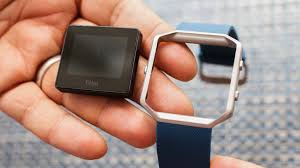 In addition to fitness trackers, supporting products and applications are offered to enhance the Fitbit experience. Their Aria scale wirelessly synches with Fitbit trackers and app, so users don't need to manually enter weight data. While most Fitbits offer a few color options to choose from as a default, the Flex, Alta, and Blaze all have accessory band options available as an upgrade to make the device more fashionable for everyday use.
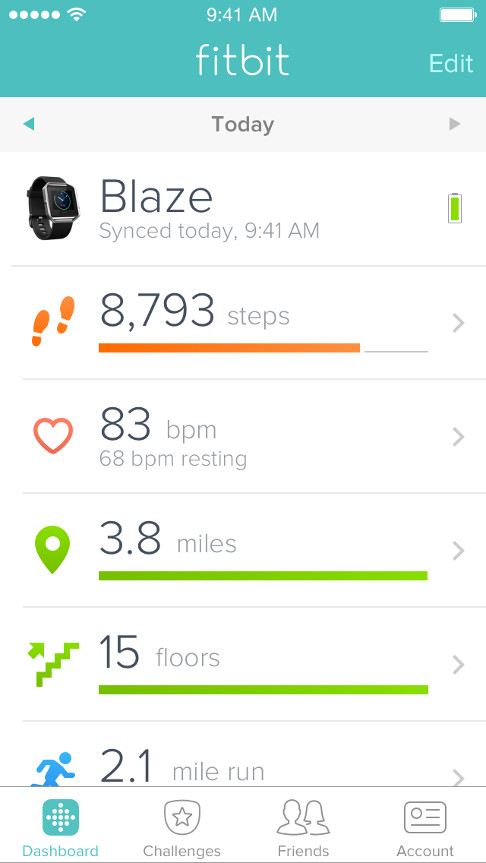 When setting up the Fitbit tracker, users also set-up an online account to look at their data in a customizable dashboard format, manually log information, and access one's profile and account settings. Fitbit also offers a downloadable mobile app with many of the same features that is compatible with most devices. Fitbit incorporates gamification and social competition to spark motivation. Badges are awarded after a certain amount of activity, like steps taken, miles walked, or stairs climbed. You can also become friends with others (typically through look-up on our Facebook account) to compare steps taken, challenge them to meet certain goals, and cheer or taunt them.
 Fitbit has also developed FitStar with Personal and Yoga apps to provide free basic and paid premium workouts that integrate with your Fitbit account. Blaze users can also access certain FitStar content through that fitness watch. Fitbit's web API is also open so that other app developers can integrate Fitbit data into their program's with user consent, which is helpful for someone already using another platform for fitness or weight tracking.
Understanding that Fitbit is not just selling a product, but interconnected products and services, helps to shed light on the strategy behind the Fitbit Blaze and their social media marketing. They want you to hear good things about Fitbit, become a customer, develop brand loyalty through positive interactions and meeting your goals, and expand your Fitbit experience through their online subscriptions and upgrades.
Fitbit operates their own communities to educate, motivate, and support their audience:
Fitbit also participates in the following social media platforms to meet their customers where they are:
Education & Motivation
 To educate and motivate their users, content gets generated for their blog, which then gets redistributed through most social media channels (ex. Facebook, Twitter, Instagram, Pinterest, and Google+). The blog focuses mostly on lifestyle issues of staying active, eating properly, health tips,and motivation. This educational format keeps people following on the blog and through social media, commenting and sharing with friends through their preferred channel. Fitbit uses celebrities and premier athletes to provide expert tips and act as brand ambassadors, but also features success stories submitted by users to inspire others. On the blog, Fitbit product mentions are rare, usually integrated as a way to help you meet your healthy lifestyle goals or tied to partnership with another company or event.
Social media will occasionally add promotional posts about specific products to their feed.
Product Support
As a tech company, providing product support is one of Fitbit's biggest challenges.
 Support is available through more traditional channels like their Help website with common questions and answers, a moderated Help forum for users to search or post support questions (which includes FAQ and voting to mod up posts), and contacting Support through email or phone.
Support is also offered directly through social media through their @FitbitSupport Twitter account which is very busy (over 260K tweets!), responding to posts every few minutes with personalized help for their situation - pointing people toward specific help articles, the Feature Request forum, or advising them to contact support for unusual circumstances or possible product replacement.

Sometimes questions are posed through other social media channels as replies to posts, and more often than not, a member of the audience will answer instead of the Fitbit account.

Overall Fitbit's support has a good reputation and people seem to appreciate the assistance, although there are some detractors.

However looking through comments, it becomes apparent that a major issue for Fitbit is that so many people seem to have problems with the reliable and quality of their products in real-life situations - some people have had their Fitbit replaced three or four times and are getting tired of the hassle.

 Fitbit is interested in innovation and listening to what their customers want through the Feature Request forum which is divided up by topics/products. Like most idea communities, users can post their suggestions and vote on other people's ideas to show their support for the requested feature. Because Fitbit's software and desktop/apps can be updated, sometimes requested features and fixes can be added in another version (instead of requiring purchase of a different product). Fitbit does update the status of the request such as what's under consideration and what's been implemented.
Marketing
YouTube seems to be the least utilized social media platform for Fitbit. The company is mostly just using it to host their commercials and doesn't reshare other content. Granted, if you search for "Fitbit" or "Fitbit Blaze" plenty of content can be found - mostly reviews and comparisons by news media and actual customers, product unboxing sessions, and support tips offered by users.
The new Fitbit Blaze fitness watch was announced on January 5 at the 2016 Consumer Electronics Show (CES) with a release date in March. According to their press release, "Fitbit Blaze trended #1 on Facebook and #3 on Twitter in the U.S. on the day of the launch". The Blaze features
Their YouTube video does a good job describing the product features, such as a color touchscreen, heart rate monitoring, connected GPS (through phone), five-day battery life, activity tracking, FitStar workouts, ability to interchange bands, music controls, and alerts from phone, text, or calendar.
The video also identifies who their target market is - fitness enthusiasts with a bit of a competitive side in their 20's - early 30's who want to look good when they go out. As Fitbit collects demographic data from its users as part of the fitness tracking, they have a pretty idea the profiles of who is using which types of products and what type of activities they are doing.
As of Feb. 29, the video itself has had over 450K views with almost 3K thumbs up and 301 thumbs down (a 10:1 ratio of approval to disapproval). The YouTube stats report shows that it was mostly viewed near the launch with a few upticks since then.

Google Trends
Looking at Google Trends for website search for the last 90 days, we can see a similar peak in early January with word of the Blaze's launch. The other major peak is on February 8th, the day after the Super Bowl.
 Fitbit's Duality commercial which featured the Fitbit Blaze aired during the Super Bowl. The video itself had approximately 400k views around that timeframe. The ad appears to have sparked a bit of interest in the product. In addition to the web search, image search and google shopping searches also had large bumps for the term that week.
Since the launch, news site mentions of the Fitbit Blaze have often been either reviews or in context of another Fitbit-related story - like reports/predictions about their stock prices or class-action lawsuits filed in several states against Fitbit alleging inaccurate heart monitoring technology, especially during strenuous exercise.
Based on the related search queries, people are interested in reviews of the Blaze, especially in comparison to other Fitbit products and the Apple Watch, as well as when it's due to be released.

Meltwater IceRocket
In MeltWater IceRocket, this narrative of interests also play out looking through samples from the twitter feed:
Wait! Did you catch that... the groundswell scooped Fitbit support! Fitbit actually started shipping pre-ordered Blazes earlier than the promised March release date - and people are super-excited about it on Twitter!!

Overall, mentions of the Fitbit Blaze are much lower on the blogosphere, as can been seen by MeltWater IceRocket's 30-day trend report:


Looking at their feed, blog posts are typically a few shared reviews or Fitbit-related stories :
Social Mention
Social Mention is another tool which provides real-time reporting on term usage based the following criteria:
 Part of the increased buzz on Twitter may be due to a Fitbit Blaze giveaway contest that was held by Heart Rate Monitors USA which caused a lot of people to share information the message (according to the contest rules for each friend persuaded to enter and list them as the referrer, they get 10 additional chances to win).
More contests to win a Blaze organized by other companies are also beginning to circulate through Twitter.
 For the 2/25 reading, we are probably seeing a bit of a false positive regarding sentiment as a Time Magazine article, "Review: The Fitbit Blaze Is Nice, But Not For Everyone," was being being reposted and retweeted - causing Social Mention to turn a more neutral review into something positive based on the word "nice". So far most people have mentioned the "Fitbit Blaze" only once during a weekly period, with only a few folks using the term two or three times, causing the Passion scale to be somewhat low.
 As the Blaze is just beginning to hit user's hands (or more precisely the wrist), we can expect the groundswell to speak more loudly about their thoughts and impressions, their likes and dislikes, and whether they believe they made the right purchase decision.
While structurally Fitbit is set-up to be able to embrace the groundswell, I get the sense that they don't listen and respond as well through certain channels (like Facebook) where there isn't a dedicated support staff. When users communicate through their designated channels, they typically have a quicker response rate and better customer experience. While Fitbit has a large number of brand enthusiasts, some product issues are causing a lot more work for support and may potentially turn people off from purchasing their products.
Going forward it might be interesting to look into either how the Blaze stacks up against the Apple Watch, or how its online performance compares against other products in Fitbit's stable, like the Charge HR, Surge, or new Alta.
Summary of Fitbit Products and Services
Fitbit offers a variety of products, from clip-on trackers to the more popular wristband styles, ranging in price from $59 for the basic Zip to $249 for the full-featured Surge.
The range of features and pricing in the product line helps to encourage their audience to "find their fit" based on their goals and needs - from people just wanting to become more active, to others who are pursuing weight loss, and to more hard-core fitness enthusiasts. In early 2016, two new trackers were announced: Blaze, a fitness smartwatch for those with active lifestyles (whose launch campaign we'll be exploring), and Alta, an everyday fitness band with a designer flare.
Fitbit has also developed FitStar with Personal and Yoga apps to provide free basic and paid premium workouts that integrate with your Fitbit account. Blaze users can also access certain FitStar content through that fitness watch. Fitbit's web API is also open so that other app developers can integrate Fitbit data into their program's with user consent, which is helpful for someone already using another platform for fitness or weight tracking.Understanding that Fitbit is not just selling a product, but interconnected products and services, helps to shed light on the strategy behind the Fitbit Blaze and their social media marketing. They want you to hear good things about Fitbit, become a customer, develop brand loyalty through positive interactions and meeting your goals, and expand your Fitbit experience through their online subscriptions and upgrades.
Embracing Online Communities & Social Media
Fitbit seems to understand and embrace the groundswell through their own online communities and social media activities.Fitbit operates their own communities to educate, motivate, and support their audience:
- Blog
- Help website
- Help forum (log in required)
- Product Development: Feature Request forum and Web API forum for developers (login required)
- Discussion board (login required)

Fitbit also participates in the following social media platforms to meet their customers where they are:
- Facebook with over 1.2 million likes
- Twitter @fitbit with 252K followers, 1079 likes, and almost 9K tweets (and also maintains a dedicated @FitbitSupport account 11.8K likes, 98K followers, and 260K tweets)
- Instagram with 248K followers
- Pinterest 39K followers
- YouTube with 24K subscribers and its most popular video has over 6.8 million views
- Google+ with almost 61K followers and 18.8 million view (although last post is over 4 weeks old, so they may be phasing it out)
Education & Motivation

Social media will occasionally add promotional posts about specific products to their feed.
 |
| Instagram post from 3/24/16 |
Product Support
As a tech company, providing product support is one of Fitbit's biggest challenges.

Support is also offered directly through social media through their @FitbitSupport Twitter account which is very busy (over 260K tweets!), responding to posts every few minutes with personalized help for their situation - pointing people toward specific help articles, the Feature Request forum, or advising them to contact support for unusual circumstances or possible product replacement.

Sometimes questions are posed through other social media channels as replies to posts, and more often than not, a member of the audience will answer instead of the Fitbit account.

Overall Fitbit's support has a good reputation and people seem to appreciate the assistance, although there are some detractors.
However looking through comments, it becomes apparent that a major issue for Fitbit is that so many people seem to have problems with the reliable and quality of their products in real-life situations - some people have had their Fitbit replaced three or four times and are getting tired of the hassle.

Innovation & Ideas
 Fitbit is interested in innovation and listening to what their customers want through the Feature Request forum which is divided up by topics/products. Like most idea communities, users can post their suggestions and vote on other people's ideas to show their support for the requested feature. Because Fitbit's software and desktop/apps can be updated, sometimes requested features and fixes can be added in another version (instead of requiring purchase of a different product). Fitbit does update the status of the request such as what's under consideration and what's been implemented.
Marketing
YouTube seems to be the least utilized social media platform for Fitbit. The company is mostly just using it to host their commercials and doesn't reshare other content. Granted, if you search for "Fitbit" or "Fitbit Blaze" plenty of content can be found - mostly reviews and comparisons by news media and actual customers, product unboxing sessions, and support tips offered by users.
Fitbit Blaze Launch & Social Media Reaction
Now that we have a sense of how Fitbit operates through social media, let's take a look at the Fitbit Blaze product launch and see how the groundswell responded.The new Fitbit Blaze fitness watch was announced on January 5 at the 2016 Consumer Electronics Show (CES) with a release date in March. According to their press release, "Fitbit Blaze trended #1 on Facebook and #3 on Twitter in the U.S. on the day of the launch". The Blaze features
Their YouTube video does a good job describing the product features, such as a color touchscreen, heart rate monitoring, connected GPS (through phone), five-day battery life, activity tracking, FitStar workouts, ability to interchange bands, music controls, and alerts from phone, text, or calendar.
The video also identifies who their target market is - fitness enthusiasts with a bit of a competitive side in their 20's - early 30's who want to look good when they go out. As Fitbit collects demographic data from its users as part of the fitness tracking, they have a pretty idea the profiles of who is using which types of products and what type of activities they are doing.
As of Feb. 29, the video itself has had over 450K views with almost 3K thumbs up and 301 thumbs down (a 10:1 ratio of approval to disapproval). The YouTube stats report shows that it was mostly viewed near the launch with a few upticks since then.

Looking at Google Trends for website search for the last 90 days, we can see a similar peak in early January with word of the Blaze's launch. The other major peak is on February 8th, the day after the Super Bowl.

 |
| Image Search Trend |
 |
| Google Shopping Trend |
Since the launch, news site mentions of the Fitbit Blaze have often been either reviews or in context of another Fitbit-related story - like reports/predictions about their stock prices or class-action lawsuits filed in several states against Fitbit alleging inaccurate heart monitoring technology, especially during strenuous exercise.
Based on the related search queries, people are interested in reviews of the Blaze, especially in comparison to other Fitbit products and the Apple Watch, as well as when it's due to be released.
Meltwater IceRocket
In MeltWater IceRocket, this narrative of interests also play out looking through samples from the twitter feed:
 |
| Sample of Twitter text results on 2/18 |
 |
| Sample of Twitter text results on 2/25 |
Wait! Did you catch that... the groundswell scooped Fitbit support! Fitbit actually started shipping pre-ordered Blazes earlier than the promised March release date - and people are super-excited about it on Twitter!!

Overall, mentions of the Fitbit Blaze are much lower on the blogosphere, as can been seen by MeltWater IceRocket's 30-day trend report:


Looking at their feed, blog posts are typically a few shared reviews or Fitbit-related stories :
 |
10 of 10 blog results for the past week (as of 2/25/16) |
Social Mention is another tool which provides real-time reporting on term usage based the following criteria:
- Strength: the likelihood that your brand is being discussed via social media.
- Sentiment: ratio of positive to negative mentions.
- Passion: likelihood that the people talking about our brand will do so repeatedly.
- Reach: the range of influence, or the number of unique authors mentioning your brand divided by the total number of mentions

 |
| Sample of Twitter Feed from Social Mention on 2/21 (and it continues on like that) |
Looking at snapshots of the results (all including twitter, for the past week from the date noted), we can see that Strength and Reach have increased over time, so the Fitbit Blaze is being increasingly being discussed on social media by a variety of unique authors.

Conclusion
Through the social media quantitative reporting and qualitative information, we can almost see customers going through the marketing funnel (Groundswell, p.101) with the product launch:- Growing awareness of the product
- Consideration through doing research, looking at reviews, and talking to others
- Developing a preference towards a product and making a decision to purchase
- Taking action to purchase and the anticipation of receiving it
- The beginning of loyalty with the thrill and enjoyment of a new product (and hopefully not disappointment about tech issues)
While structurally Fitbit is set-up to be able to embrace the groundswell, I get the sense that they don't listen and respond as well through certain channels (like Facebook) where there isn't a dedicated support staff. When users communicate through their designated channels, they typically have a quicker response rate and better customer experience. While Fitbit has a large number of brand enthusiasts, some product issues are causing a lot more work for support and may potentially turn people off from purchasing their products.
Going forward it might be interesting to look into either how the Blaze stacks up against the Apple Watch, or how its online performance compares against other products in Fitbit's stable, like the Charge HR, Surge, or new Alta.
Subscribe to:
Posts (Atom)